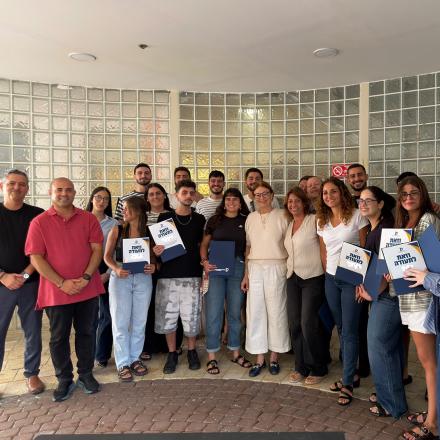
Smart cities employ digital technology to make municipal services more efficient and sustainable. Local governments increasingly use smart city methodologies in everything from transportation infrastructure to water supply. But how do they affect interactions between people on a daily basis?
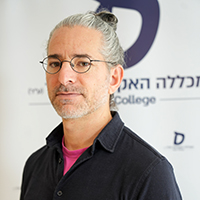
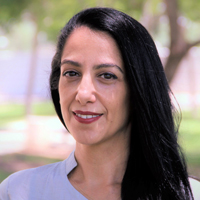
Drs. Regev Nathansohn and Lihi Lahat of Sapir College decided to find out, and now the Harry S. Truman Institute for the Advancement of Peace has granted them a prestigious research prize to do it. Nathansohn, from Sapir’s Communications Department, and Lahat, from the Public Policy and Administration Department, head one of Sapir’s Center for Innovation and Entrepreneurship's flagship initiatives: the Smart Cities Lab, focusing on residents of the Western Negev, their needs and their communities. Last year, the lab developed innovative methods to inform local residents about the nearest safe spaces during rocket attacks. With funding from the Truman grant, they are now examining a potentially game changing interface between technology and civil society: how digital applications influence relations between Jews and Arabs in Israel’ mixed cities. In the wake of last May’s interethnic violence in Israel, their study clearly takes on added significance. No, Lahat and Nathansohn do not see technology as a panacea to deep seated social conflicts. But they do want to understand its role in the big picture as we try to weave Israel’s diverse ethnic and religious groups into a more cohesive, shared society.
More News
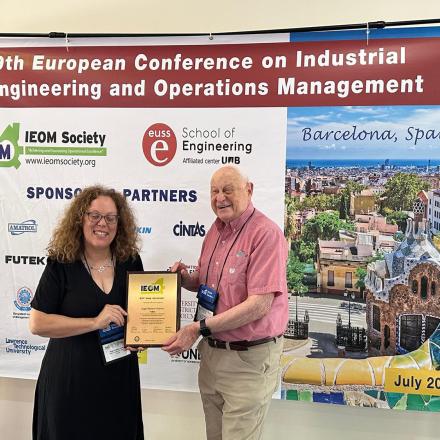
Congratulations to Dr. Sagit Kedem-Yamini