Homepage
Located in the heart of Israel’s South, our college serves as a strong academic and social anchor for the region. It combines high-level education with meaningful community engagement, leading social initiatives, supporting cultural life and empowering students to create real impact. In the shadow of the war and the events of October 7, the college continues to provide stability, support and resilience to its community, serving as both a home and a driving force in the growth of the South.
WHY SAPIR?
Sapir Society
Sapir is deeply engaged in community life through social initiatives, volunteer work and student-led projects that strengthen and support the surrounding communities.
Sapir for South Renewal
Sapir leads the revival and development
of the South and the Western Negev,
driving education, growth, and community strength across the region.
Sapir Study Opportunities
Sapir is one of Israel’s largest public colleges, educating over 7,000 students across bachelor’s and master’s programs, diplomas, and a variety of professional courses.
SAPIR FACTS & FIGURES
7,000+
Students and Faculty
55,000+
College Graduates
#1
Largest Public College in Israel
20+
Years of Resilience Under Fire
17
Certification & Diploma Programs
12
Master's Degree Programs
Sapir Story

About Sapir College

A Border Community

Sapir Past and Future

From Crisis to Growth

What's up in Sapir?
11/25/2025 - 12:59
היחידה לפיתוח תכניות בינלאומיות
-
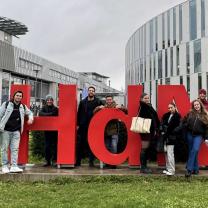
11/18/2025 - 10:54International and Intercultural Marketing: Branding, Innovation & AI 8 Sapir College Department of Communication students, recently returned from an inspiring learning experience in Stuttgart, Germany, in partnership with Hochschule der Medien (HdM) - Stuttgart Media University and supported by the Baden-Württemberg State Parliament Scholarship. Led by Dr. Yuval Gozansky and Mr.
-
10/30/2025 - 14:19
-
07/06/2025 - 12:23Closing Session of “Law and the Holocaust” Course at Sapir Law School, Led by Justice Esther Hayut Yesterday, Sapir College’s Law School held the closing session of the course “Law and the Holocaust,” led by the Honorable President of the Supreme Court (retired), Justice Esther Hayut. The course examined critical legal dimensions of the Holocaust and its aftermath, including landmark cases and the role of law in preserving historical memory.