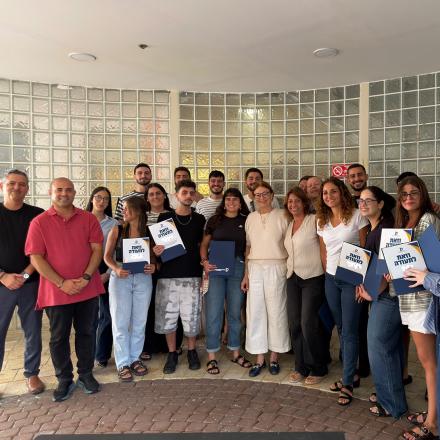
The State of Israel is gearing up to rebuild the communities of the Western Negev, and Sapir College will play a key role in the effort. The government’s Tkuma Directorate for the reconstruction of the Gaza Envelope has approved a special NIS 200 million budget to strengthen the college's programs for students. This investment demonstrates a long-term commitment to Sapir as the social and economic nerve center of the Western Negev.
Sapir is the largest employer in the area, with a payroll of 1,300 and an extensive network of local suppliers who bolster the regional economy. It is also among the largest public colleges in Israel, with 7,500 students who study in academic and vocational programs including: fifteen academic departments; 12 certified practical engineer tracks; a pre IDF service cyber preparatory program; and a variety of pre-academic and job training programs.
Students hail from around the country, but many choose to stay and build their lives in the Western Negev after their studies.
Prof. Nir Kedar, college president, sees the decision as a “powerful vote of confidence” in the future of Sapir College. “This funding will enable us to help lead the process of rehabilitation for the entire region in the months and years ahead.”
More News
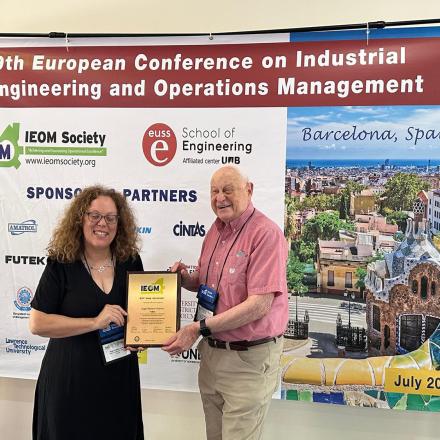
Congratulations to Dr. Sagit Kedem-Yamini